Senior Pony Care: A Complete Guide
Caring for an aging pony: managing easy-keeper weight, EMS, PPID, and laminitis risk with low-sugar feeding, grazing muzzles, and diligent hoof care through the senior years.
Ponies are tough, clever, and remarkably long-lived, and a senior pony can be a child's faithful first mount or a beloved companion for decades. But the very efficiency that lets a pony thrive on sparse forage becomes a liability on modern rich pasture. The defining theme of senior pony care is the easy-keeper metabolism: ponies are highly prone to obesity, equine metabolic syndrome, and the laminitis that follows. Get the weight, diet, and feet right and a pony can enjoy an exceptionally long, comfortable old age. This guide walks through the priorities.
Senior Pony Care Essentials
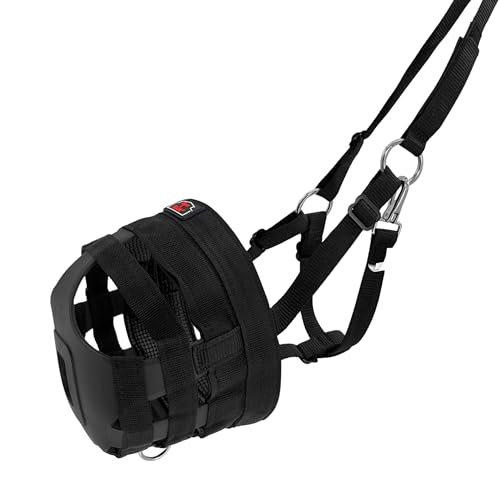


Vitamins, minerals, and protein with minimal calories for an easy-keeper pony.
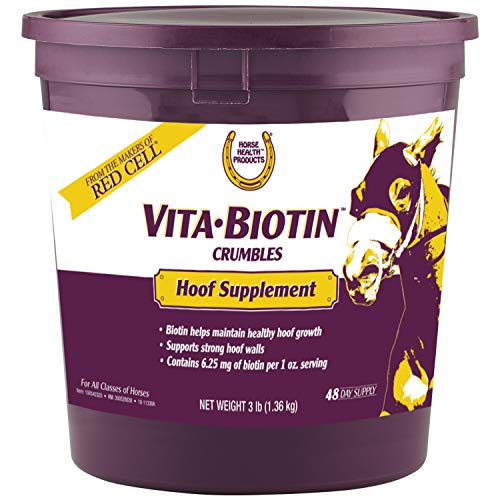
Horse Health Biotin Hoof Supplement
Supports strong hoof walls in a pony where feet are the priority.
Typical lifespan and the long senior phase
Ponies routinely live 25 to 35 years, and some go further still. Their hardy constitution and thrifty metabolism are a gift, but they also mean owners are managing a senior for a very long time. Because a healthy pony can stay active and useful into its late twenties, the goal is to keep it sound and lean across all those years. The biggest threats to a long pony life are not frailty but metabolic disease and laminitis, which are preventable and manageable with attentive care.
Why ponies are the classic laminitis risk
Ponies evolved on poor, sparse grazing, so they extract a great deal of energy from very little. On the lush pasture and generous feeding of modern horse keeping, that efficiency tips into obesity, insulin dysregulation, and equine metabolic syndrome. High circulating insulin damages the laminae that bond the hoof wall to the bone, producing endocrine laminitis, the most common and most serious threat to a pony's soundness. With age, PPID, or Cushing's disease, layers on additional risk. This chain, easy keeper to high insulin to damaged feet, is why everything in senior pony care comes back to lean weight and low sugar.
Feeding the easy keeper
Most senior ponies need no grain whatsoever. Build the diet on low-sugar, low-starch forage, ideally hay tested below roughly 10 percent NSC, and serve it in a slow-feed net so a modest ration stretches through the day and the pony is never standing with an empty stomach. A ration balancer fills the vitamin, mineral, and protein gaps without the calories of a fortified grain. Skip sugary treats and lush pasture, and reach for a grazing muzzle in spring and fall when grass sugars surge. Aim for a moderate, lean body condition: you should be able to feel the ribs easily without a thick fat layer.
| Concern | Why ponies are prone | Senior care focus |
|---|---|---|
| Obesity / EMS | Thrifty easy-keeper metabolism | Low-sugar diet, lean weight, exercise |
| Laminitis | Insulin spikes from sugar and grass | Limit grass, muzzle, monitor feet |
| PPID (Cushing's) | Age-related, common in seniors | ACTH testing, pergolide, hoof care |
| Dental wear | Age, not breed specific | Yearly exams, soaked feeds if needed |
The grazing muzzle as a management tool
For an overweight or laminitis-prone senior pony, a well-fitted grazing muzzle can be the difference between safe turnout and a painful flare. It lets the pony stay out with companions and keep moving, which benefits the metabolism, while sharply reducing grass intake. Introduce it gradually so the pony adjusts, check daily for rubs, make sure it can drink with the muzzle on, and give breaks by removing it for part of the day or using a track or dry lot. Used thoughtfully, it is one of the most practical tools for managing the easy-keeper tendency that drives laminitis.
Feet, teeth, and daily life
Because the feet are where laminitis strikes, hoof care sits at the heart of senior pony management. Keep a regular farrier schedule, since balanced feet handle metabolic stress better and show trouble early, and support weak walls with a biotin hoof supplement. Learn to feel for heat and a bounding digital pulse, and treat reluctance to move or a rocked-back stance as an emergency requiring your vet at once. On the dental side, yearly oral exams with floating as needed keep an aging pony chewing well, and soaked feeds help once teeth wear out, though many ponies keep good teeth into old age. Watch closely for the signs of PPID and ask your vet about an ACTH test if you see them. With lean weight, low-sugar forage, and diligent feet, your senior pony can enjoy a long and happy retirement. Partner with your equine vet and farrier on a plan for your individual pony.
Senior Horse Care Planner
Track your senior horse's vital signs, feed and body condition, farrier and dental schedule, medications, and quality of life, all in one printable planner.
Editor's Pick · Affiliate link
Cosequin ASU for the Older Horse
The joint supplement with the most research behind it in horses, combining glucosamine and chondroitin with avocado and soybean unsaponifiables. Worth starting before an older horse is visibly stiff rather than after.
Frequently Asked Questions
How long do ponies live?
Ponies are famously long-lived, commonly reaching 25 to 35 years and sometimes beyond. Their hardy constitution and efficient metabolism contribute to that longevity. Because a pony can stay active and useful for decades, often as a child's mount or a steady companion, owners should plan for a very long senior phase. The conditions most likely to limit a healthy pony's later years are metabolic disease and the laminitis it causes, both of which are largely manageable.
Why are ponies so prone to laminitis?
Ponies are the classic easy keeper, evolved to thrive on sparse forage, so on modern rich pasture they readily gain weight and develop insulin dysregulation and equine metabolic syndrome. High insulin damages the laminae in the feet, causing endocrine laminitis. With age, PPID adds to the risk. This is why lean weight, low-sugar forage, restricted grass, and a grazing muzzle on rich pasture are the cornerstones of caring for a senior pony.
How should I feed an easy-keeper senior pony?
Most ponies need no grain at all. Base the diet on low-sugar, low-starch forage, ideally tested hay below about 10 percent NSC, offered in a slow-feed net so a small ration lasts longer. A ration balancer supplies vitamins, minerals, and protein without excess calories. Limit lush pasture, skip sugary treats, and use a grazing muzzle in spring and fall. Keep the pony at a moderate, lean body condition to protect the feet from laminitis.
Should a senior pony wear a grazing muzzle?
For many overweight or laminitis-prone ponies, yes, especially during spring and fall when grass sugars surge. A well-fitted grazing muzzle lets a pony stay turned out with companions and keep moving while dramatically reducing grass intake. Introduce it gradually, check for rubs, ensure the pony can drink, and remove it for part of the day. It is a practical tool for managing the easy-keeper metabolism that drives laminitis in this group.
Do ponies get PPID like horses do?
Yes. PPID, or Cushing's disease, is common in older ponies and shows as a long or curly coat, late or patchy shedding, increased drinking and urination, fat redistribution, muscle loss, and bouts of laminitis. Because ponies are already laminitis-prone, undiagnosed PPID is especially risky. If you see these signs, ask your vet for an ACTH blood test. PPID is well managed with daily pergolide alongside a low-sugar diet and careful hoof care.
Why is hoof care so important for senior ponies?
The feet are where laminitis strikes, so hoof care is central to a pony's wellbeing. Keep a regular farrier schedule, since balanced feet cope better with metabolic stress and reveal trouble early. Support hoof quality with biotin if walls are weak or crumbly. Learn to feel for heat and a bounding digital pulse, and treat any reluctance to move or rocked-back stance as an emergency. Consistent farrier care is one of the best investments in a long pony life.
Need more help with your senior horse?
Browse our guides by topic to find practical solutions.
Wellness Planner: $39