Senior Morgan Horse Care: A Complete Guide
Caring for an aging Morgan: managing the easy-keeper metabolism, obesity, EMS, PPID, and laminitis risk with low-sugar feeding, weight control, and dental and hoof care.
Morgans are one of America's oldest and most beloved breeds, prized for their sturdy build, kind temperament, and remarkable hardiness. They are also famously long-lived, which gives owners a long and rewarding senior phase to manage. The defining theme of aging Morgan care is metabolism: this efficient, easy-keeper breed is prone to obesity, equine metabolic syndrome, and the laminitis that follows. Keep your Morgan lean, low on sugar, and moving, and stay alert for PPID as the years add up, and this willing horse can enjoy a long, sound old age. This guide covers the essentials.
Senior Morgan Horse Care Essentials

Vitamins, minerals, and protein with minimal calories for an easy-keeper Morgan.
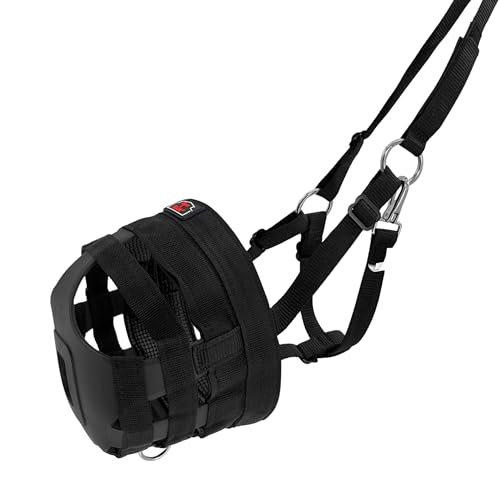

Majestic Ally Slow Feed Hay Net
Stretches a modest low-sugar ration through the day for an easy keeper.

Cosequin Cosequin ASU Joint Supplement
Glucosamine and chondroitin support to keep an active senior comfortable.
Typical lifespan and a long senior phase
Morgans commonly live 25 to 35 years, and many stay active well into their twenties. Their sturdy constitution and willing nature are a real asset in old age, but that longevity also means you may be managing a senior for a very long time. The horses that age best are those kept lean and metabolically healthy throughout, because the chief threats to a Morgan's later years are not frailty but obesity and laminitis, both of which are preventable with consistent management.
The easy-keeper metabolism
Morgans hold weight on remarkably little feed, a trait that served the breed well in leaner times but creates problems amid modern abundance. That efficiency predisposes many Morgans to obesity, insulin dysregulation, and equine metabolic syndrome, which spike laminitis risk, and with age PPID layers on additional risk. The management foundation is the same in every case: keep the horse at a lean, moderate body condition, feed low-sugar forage, limit rich grass, and provide regular exercise. Resist the common temptation to see a well-rounded Morgan as a healthy one, since the extra weight is doing quiet harm to the feet and metabolism.
Feeding the easy keeper
Most senior Morgans need no grain at all. Build the diet on low-sugar, low-starch forage, ideally hay tested below roughly 10 percent NSC, served in a slow-feed net so a modest ration stretches through the day and the horse is rarely standing with an empty stomach. A ration balancer supplies the vitamins, minerals, and protein that forage alone lacks, without the calories of a fortified grain. Skip sugary treats and lush pasture, and use a grazing muzzle in spring and fall when grass sugars climb. Aim for a body condition where you can easily feel the ribs under a thin layer of cover.
| Concern | Why Morgans are prone | Senior care focus |
|---|---|---|
| Obesity / EMS | Efficient easy-keeper metabolism | Low-sugar diet, lean weight, exercise |
| Laminitis | Insulin spikes from sugar and grass | Limit grass, muzzle, monitor feet |
| PPID (Cushing's) | Age-related, common in seniors | ACTH testing, pergolide, hoof care |
| Dental wear | Age, not breed specific | Yearly exams, soaked feeds if needed |
Protecting the feet and watching for PPID
Because endocrine laminitis is the main threat to a senior Morgan, protecting the feet deserves real attention. Keep the horse lean, feed low-sugar forage, restrict spring and fall grass, and maintain a regular farrier schedule, since balanced feet handle metabolic stress better and show trouble early. Learn the laminitis warning signs cold: heat in the hooves, a strong bounding digital pulse, reluctance to move, and a shifting, rocked-back stance, all of which are emergencies requiring your vet at once. Stay alert for PPID too, watching for a long or late-shedding coat, increased drinking, fat redistribution, and unexplained laminitis, and ask your vet about an ACTH test if you see them.
Staying active, dental care, and daily life
Morgans are versatile and willing, and staying lightly active is genuinely good for an aging Morgan's metabolism, weight, joints, and mind. Many enjoy light driving, trail riding, or flatwork into their twenties, which helps manage insulin resistance and keep weight in check. Match the work to the horse's soundness and keep it consistent. Support aging joints with daily turnout and a glucosamine and chondroitin supplement, and keep up yearly dental exams with floating, moving to soaked feeds once teeth wear out. With lean weight, low-sugar forage, regular movement, and attentive feet, guided by your equine vet and farrier, your senior Morgan can look forward to a long and comfortable retirement.
Senior Horse Care Planner
Track your senior horse's vital signs, feed and body condition, farrier and dental schedule, medications, and quality of life, all in one printable planner.
Editor's Pick · Affiliate link
Cosequin ASU for the Older Horse
The joint supplement with the most research behind it in horses, combining glucosamine and chondroitin with avocado and soybean unsaponifiables. Worth starting before an older horse is visibly stiff rather than after.
Frequently Asked Questions
How long do Morgan horses live?
Morgans are a notably long-lived and hardy breed, commonly reaching 25 to 35 years with good care. Their sturdy constitution and willing nature mean many stay active and useful well into their twenties. Because a Morgan's senior phase can stretch over many years, the priority is managing its efficient, easy-keeper metabolism so that obesity and laminitis do not undermine an otherwise long and healthy life. Dental and hoof care round out the picture.
Why are Morgans prone to metabolic problems?
Morgans are classic easy keepers, holding weight on very little feed thanks to an efficient metabolism. On modern rich diets and pasture, that thriftiness predisposes many of them to obesity, insulin dysregulation, and equine metabolic syndrome, which in turn raise laminitis risk. With age, PPID becomes common as well. Keeping a Morgan lean, on low-sugar forage and limited grass, with regular exercise, is the single most important thing you can do for its long-term soundness.
How should I feed a senior Morgan?
Most Morgans need no grain. Base the diet on low-sugar, low-starch forage offered in a slow-feed net so a modest ration lasts through the day, and add a ration balancer for vitamins, minerals, and protein without excess calories. Limit lush pasture and sugary treats, and use a grazing muzzle when grass is rich. Aim for a lean, moderate body condition. As teeth wear with age, transition to soaked feeds while keeping the diet low in sugar.
Are Morgans at risk of laminitis?
Yes. Because Morgans are easy keepers prone to obesity and insulin dysregulation, endocrine laminitis is a real risk, especially in overweight horses and during spring and fall when grass sugars surge. Prevention is far easier than treatment: keep the horse lean, feed low-sugar forage, limit grass, manage any EMS or PPID with your vet, and maintain regular farrier care. Treat any heat in the feet, bounding digital pulse, or reluctance to move as an emergency.
Do Morgans get PPID as they age?
Yes, like all older horses Morgans can develop PPID, or Cushing's disease, and because they are already laminitis-prone, undiagnosed PPID is especially risky for them. Watch for a long or curly coat, late or patchy shedding, increased drinking and urination, fat redistribution, muscle loss, and bouts of laminitis. If you see these signs, ask your vet for an ACTH blood test. PPID is well managed with daily pergolide alongside a low-sugar diet and careful hoof care.
Can a senior Morgan still work and stay active?
Absolutely, and staying active benefits a Morgan's metabolism, weight, and mind. Morgans are versatile and willing, and many enjoy light driving, trail riding, and flatwork well into their twenties. Regular exercise helps manage insulin resistance and keeps weight in check, both crucial in this easy-keeper breed. Match the workload to the horse's soundness, keep it consistent rather than sporadic, and let your vet guide you if the horse has arthritis, EMS, or PPID.
Need more help with your senior horse?
Browse our guides by topic to find practical solutions.
Wellness Planner: $39