Senior Miniature Horse Care: A Complete Guide
Caring for an aging miniature horse: managing dental crowding, hyperlipemia risk, obesity, EMS, and laminitis with careful low-sugar feeding and regular dental and hoof care.
Miniature horses pack a full-size horse's needs into a tiny, charming package, and they are wonderful long-lived companions. But their small size brings unique senior care challenges: crowded teeth in a small skull, an easy tendency toward obesity, and a frightening risk of hyperlipemia if an overweight mini ever goes off feed. Caring well for an aging mini means measuring everything carefully, keeping a close eye on the teeth, and never letting your little horse stop eating. This guide covers the conditions minis tend to face and the daily care that keeps them thriving into old age.
Senior Miniature Horse Care Essentials
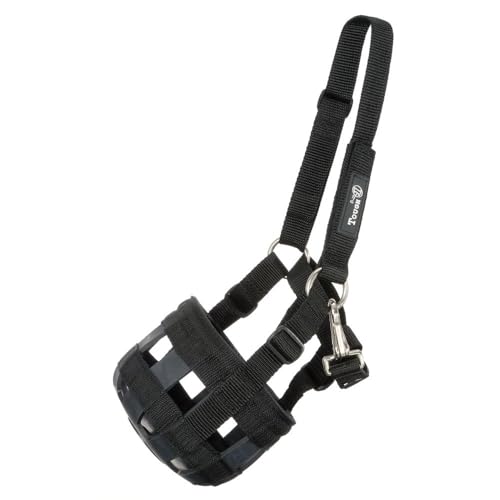
Tough 1 Grazing Muzzle (Miniature)
Mini-sized muzzle to limit grass intake and protect against laminitis.

Concentrated vitamins and minerals with minimal calories for a small easy keeper.
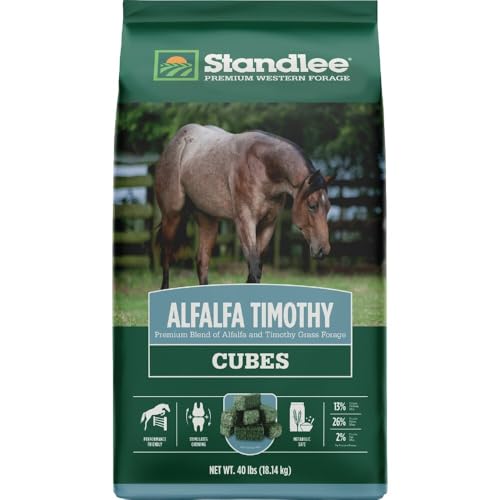
Standlee Alfalfa Timothy Hay Cubes
Soakable forage for a senior mini whose crowded teeth struggle with hay.

Weaver Leather Slow Feed Hay Net
Stretches a measured ration to keep a mini busy without overfeeding.
Typical lifespan and a long senior phase
Miniature horses commonly live 25 to 35 years, and some reach beyond. That longevity means a long stretch of senior care, often for an animal kept purely as a pet. Because minis are easy to overfeed and easy to overlook on hoof and dental care precisely because they are small, the keys to a long mini life are discipline and routine: measured feeding, regular farrier visits, and frequent dental attention. Get those right and a healthy mini can enjoy decades of comfortable life.
Dental crowding: the mini's signature problem
A miniature horse has the same number of teeth as a full-size horse, crammed into a far smaller skull. The result is frequent crowding, crooked or rotated teeth, retained baby teeth in youngsters, and misalignment that traps feed and wears unevenly. Over a lifetime this leads to gaps, infections, loose teeth, and chewing difficulty more often than in larger horses. A senior mini needs careful, regular dental exams, often more frequently than once a year, by a vet experienced with the breed. When teeth can no longer manage hay, switch to soaked hay cubes, pellets, and a complete feed so the mini keeps getting its fiber and nutrients.
Hyperlipemia: the emergency to prevent
The single most important thing to understand about minis is hyperlipemia, a life-threatening metabolic crisis in which fat pours into the bloodstream faster than the body can use it, overwhelming the liver. It is typically triggered when an overweight mini goes off feed because of stress, illness, dental pain, or a sudden diet change. Minis are especially vulnerable because so many are overweight. The practical rules are simple but vital: keep your mini lean, never let it go off feed, and treat any mini that stops eating, especially a fat one, as a veterinary emergency. Hyperlipemia can progress quickly and be fatal, so early vet involvement is critical.
| Concern | Why minis are prone | Senior care focus |
|---|---|---|
| Dental crowding | Full tooth set in a small skull | Frequent exams, soaked feeds |
| Hyperlipemia | Obesity plus going off feed | Keep lean, never stop feeding, call vet |
| Obesity / EMS / laminitis | Easy-keeper metabolism | Measured low-sugar diet, hoof care |
| Overlooked feet | Small size, light weight | Regular farrier, biotin if needed |
Feeding to avoid both extremes
Feeding a mini is a careful balance: obesity drives laminitis and metabolic disease, but a too-fast diet or a missed meal risks hyperlipemia. Feed by weight, not by eye, using measured amounts of low-sugar grass forage, ideally in a slow-feed net so a small ration lasts and the mini is rarely without something to chew. Add a ration balancer or a mini-specific feed to supply nutrients without excess calories. Avoid sugary treats and rich pasture, use a mini grazing muzzle when turnout is rich, and aim for slow, steady weight change if your mini needs to slim down. Never crash-diet a mini.
Feet, metabolism, and daily management
Like ponies, minis are easy keepers prone to obesity, EMS, insulin dysregulation, and laminitis, with PPID adding risk in old age. Watch for cresty fat, a long or late-shedding coat, increased drinking, and any sign of foot pain, and ask your vet about EMS and PPID testing when these appear. Despite their size, minis need the same regular farrier care as big horses, and their feet are easy to neglect because they bear so little weight. Keep trims on schedule, support hoof quality with biotin if walls are weak, and check the feet often. With measured feeding, frequent dental care, vigilant appetite monitoring, and consistent hoof care, your senior mini can stay healthy and happy for many years. Work with an equine vet familiar with miniatures to tailor the plan.
Senior Horse Care Planner
Track your senior horse's vital signs, feed and body condition, farrier and dental schedule, medications, and quality of life, all in one printable planner.
Editor's Pick · Affiliate link
Cosequin ASU for the Older Horse
The joint supplement with the most research behind it in horses, combining glucosamine and chondroitin with avocado and soybean unsaponifiables. Worth starting before an older horse is visibly stiff rather than after.
Frequently Asked Questions
How long do miniature horses live?
Miniature horses are long-lived, commonly reaching 25 to 35 years and sometimes beyond. Their small size and hardy nature contribute to a long life, which means a lengthy senior phase to manage. Because minis are so often kept as pets and companions, owners should plan for decades of care. Dental crowding, obesity, and the metabolic problems that follow are the issues most likely to affect a healthy miniature horse's later years.
Why do miniature horses have dental problems?
Minis carry a full-size horse's set of teeth in a much smaller skull, so the teeth are often crowded, crooked, or misaligned. This crowding traps feed, causes uneven wear, and leads to gaps, infections, and difficulty chewing more frequently than in larger horses. A senior mini needs regular, careful dental exams, often more often than once a year, and may need soaked feeds as teeth wear out. Good dental care is central to keeping a mini healthy.
What is hyperlipemia and why are minis at risk?
Hyperlipemia is a dangerous metabolic emergency in which fat floods the bloodstream, usually triggered when an overweight mini, pony, or donkey goes off feed or is stressed or ill. The body mobilizes fat faster than it can use it, overwhelming the liver. Minis are particularly prone because they are often overweight. Never let a mini stop eating: any mini that goes off feed, especially a fat one, needs urgent veterinary care, as hyperlipemia can be rapidly fatal.
How should I feed a senior miniature horse?
Feed minis carefully by weight, since their small size makes overfeeding easy and obesity is common. Base the diet on measured low-sugar forage, often a small amount of grass hay in a slow-feed net, and add a ration balancer or a mini-specific feed for nutrients without excess calories. Avoid sugary treats and rich pasture, and use a grazing muzzle if needed. Never crash-diet a mini, since rapid weight loss or going off feed can trigger hyperlipemia.
Are miniature horses prone to laminitis and obesity?
Yes. Like ponies, minis are easy keepers and readily become overweight, which drives insulin dysregulation, equine metabolic syndrome, and laminitis. With age, PPID adds further risk. Keep your mini at a lean, moderate body condition, feed low-sugar forage in measured amounts, limit grass, and maintain regular hoof care. Watch the feet for heat or a strong digital pulse, and ask your vet about EMS and PPID testing if you see weight or coat changes.
Do miniature horses need regular hoof and farrier care?
Absolutely. Despite their size, minis need the same regular farrier schedule as larger horses, and their small feet are easy to neglect because they bear little weight. Overgrown or unbalanced feet cause discomfort and lameness, and laminitis is a real risk given their metabolic tendencies. Keep trims on schedule, support hoof quality with biotin if needed, and inspect the feet regularly. Small feet still carry a horse that deserves to move comfortably.
Need more help with your senior horse?
Browse our guides by topic to find practical solutions.
Wellness Planner: $39