Senior Draft Horse Care: A Complete Guide
Caring for an aging draft horse: managing CPL and feathered-leg skin, big-joint arthritis, weight, hoof and dental health, and shorter lifespan in heavy breeds.
Draft horses are gentle giants, and a senior Clydesdale, Shire, Belgian, or Percheron is a deeply rewarding companion. Caring for one in old age means respecting the realities of size: heavy breeds carry more weight on their joints, tend toward shorter lifespans, and, in the feathered breeds, face specific skin and leg diseases. With attentive joint, hoof, and leg care, careful weight control, and good dental management, you can keep a senior draft comfortable and dignified through its later years. This guide covers the conditions these breeds tend to face and the daily care that matters most.
Senior Draft Horse Care Essentials

Cosequin Cosequin ASU Joint Supplement
Joint support for the heavily loaded joints of a large senior draft.

Vetericyn Hoof Thrush Treatment
Targets thrush and frog damage common under feathered draft feet.
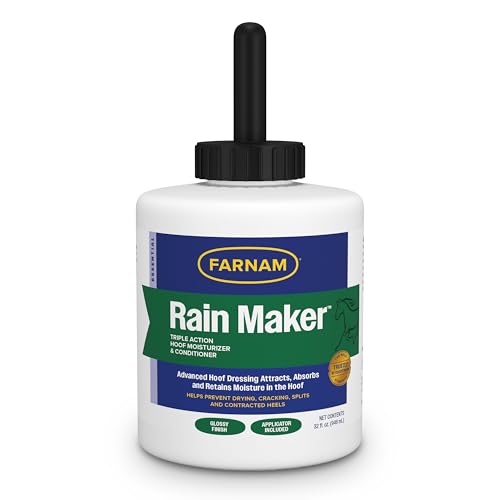
Farnam Hoof Moisturizer and Conditioner
Helps balance moisture in large draft hooves prone to cracks and dryness.

Typical lifespan and the earlier senior phase
Draft breeds generally live shorter lives than light horses, often 18 to 25 years, because their large bodies place greater demand on the joints, heart, and feet. That means the senior phase tends to arrive a little earlier, sometimes in the mid teens, and owners should start monitoring weight, joints, and soundness sooner than they might for a lighter horse. With excellent management, some drafts reach their late twenties, but planning for an earlier transition into senior care helps you stay ahead of the wear that comes with size.
Feathered legs: CPL, scratches, and skin care
The heavy feathering that makes Shires, Clydesdales, and Belgians so striking also creates a warm, moist environment that invites trouble. Chronic progressive lymphedema, or CPL, is a serious condition of feathered drafts in which poor lymph drainage causes progressive swelling, thickened skin, folds, and nodules on the lower legs, often hidden under the hair. CPL cannot be cured, but consistent management slows it: clip the feathers so you can see and clean the skin, keep the legs clean and dry, provide gentle daily exercise to encourage drainage, and follow your vet's guidance on wrapping or compression.
Even without CPL, feathered legs are prone to scratches, mites that cause mange-like irritation, and skin infections. The hooves underneath are vulnerable to thrush from trapped moisture and debris. Inspect under the feathering frequently, keep heels and pasterns dry, clip when problems recur, and pick out and treat the feet on a regular schedule. A clean, dry lower leg is the single most protective habit for a feathered senior.
Joints, weight, and the cost of size
A draft's mass loads every joint heavily, so arthritis is common and weight control is not optional. Every extra pound multiplies the stress on aging hocks, stifles, knees, and feet. Keep your senior at a moderate body condition score, provide as much daily turnout and gentle movement as you can, and maintain a regular farrier schedule for the large feet, which need balanced, attentive trimming. A joint supplement with glucosamine and chondroitin supports many older drafts. Remember that not all drafts are easy keepers, so feed to the individual and track condition with a weight tape rather than assuming.
| Concern | Why drafts are prone | Senior care focus |
|---|---|---|
| CPL and leg skin disease | Heavy feathering, poor lymph drainage | Clip, clean and dry legs, exercise |
| Thrush and hoof issues | Trapped moisture under feather | Regular farrier, pick and treat feet |
| Arthritis | Large body loads joints heavily | Weight control, turnout, joint support |
| Muscle disorders (PSSM) | Genetic in some draft lines | Low-starch high-fat diet, vitamin E |
Muscle and heart considerations
Some draft lines carry muscle disorders, including polysaccharide storage myopathy, or PSSM, which causes tying up and is managed with a low-starch, higher-fat diet and added vitamin E. Shivers, a neuromuscular condition affecting the hind limbs, is also seen in heavy breeds. And because the heart of a very large horse works hard, exercise intolerance deserves attention. If your senior draft shows muscle stiffness, an unusual hind-limb gait, or unexpected fatigue, ask your vet to evaluate so you can adjust the diet and workload appropriately.
Dental care and daily management
Aging drafts develop the same dental wear as any senior, and because the body is so large, dental trouble can cause significant weight loss before it is obvious. Schedule yearly oral exams with floating as needed, and move to soaked hay cubes and a complete senior feed, in the generous quantities a draft requires, once long hay becomes hard to chew. In cold or wet weather, a turnout sheet helps a senior that has lost some condition stay warm and dry, which also protects those vulnerable legs. With steady turnout, diligent leg and hoof care, and a diet matched to the individual, you can give your gentle giant a comfortable old age. Work closely with your equine vet and farrier to tailor the plan.
Senior Horse Care Planner
Track your senior horse's vital signs, feed and body condition, farrier and dental schedule, medications, and quality of life, all in one printable planner.
Editor's Pick · Affiliate link
Cosequin ASU for the Older Horse
The joint supplement with the most research behind it in horses, combining glucosamine and chondroitin with avocado and soybean unsaponifiables. Worth starting before an older horse is visibly stiff rather than after.
Frequently Asked Questions
How long do draft horses live?
Draft breeds such as Clydesdales, Shires, Belgians, and Percherons generally have shorter lifespans than light horses, often living 18 to 25 years. Their large body size puts more strain on joints, the heart, and the feet, which tends to shorten the healthy years. With excellent weight, hoof, and joint management, some drafts reach their late twenties, but owners should plan for the senior phase to arrive a little earlier than it does for a lighter horse.
What is CPL in draft horses?
Chronic progressive lymphedema, or CPL, is a disease of the lower legs seen in feathered draft breeds such as Shires, Clydesdales, and Belgians. Poor lymph drainage causes progressive swelling, thickened skin, folds, and nodules under the feathering, where infection and mites can take hold. It cannot be cured, but it is managed by clipping the feathers, keeping the legs clean and dry, gentle daily exercise, and sometimes wrapping or compression. Early, consistent care slows its progression.
Why do feathered drafts need extra leg and hoof care?
The long feathering on the lower legs traps moisture and debris, creating ideal conditions for skin infections, mites that cause mange, scratches, and thrush in the hooves. Senior drafts with thicker skin and possible CPL are especially vulnerable. Keep the legs and heels clean and dry, clip feathers if problems recur, pick out and treat the feet regularly, and inspect under the hair often. A clean, dry leg is the foundation of comfort for a feathered draft.
How do I manage joints and weight in a senior draft?
A draft's sheer size loads the joints heavily, so arthritis is common and weight control is critical, since every extra pound multiplies stress on aging legs. Keep the horse at a moderate body condition, provide daily turnout and gentle movement, maintain regular farrier care for the large feet, and consider a joint supplement with glucosamine and chondroitin. Drafts are not always easy keepers, so feed to the individual and reassess condition regularly with a weight tape.
Do draft horses get the same dental problems as other seniors?
Yes. Aging drafts develop the same worn, sharp, or missing teeth as any senior horse, and dental trouble can quietly cause weight loss in a body this large. Schedule yearly oral exams with floating as needed. When teeth can no longer manage long hay, switch to soaked hay cubes and a complete senior feed, fed in the larger quantities a draft requires. Good dental care keeps that big frame well covered and comfortable.
Are draft horses prone to any heart or muscle issues?
Their large size means the heart works hard, and some draft lines carry muscle disorders such as PSSM, which causes tying up and is managed with a low-starch, higher-fat diet and added vitamin E. Equine polysaccharide storage myopathy and shivers are also seen in the heavy breeds. If your senior draft shows muscle stiffness, an odd hind-limb gait, or exercise intolerance, ask your vet about evaluation so the diet and workload can be adjusted appropriately.
Need more help with your senior horse?
Browse our guides by topic to find practical solutions.
Wellness Planner: $39